June 15, 2026
There is a word that gets used a lot in the commodities world right now: traceability. It appears on packaging, in supplier decks, on certification labels. It has become, in many ways, a buzzword — which is a shame, because what it actually represents is worth talking about properly.
At Nature Commodities, traceability is not a marketing claim. It is simply the way we work. And we think it is worth explaining what that means in practice.
Most people know that cocoa comes from West Africa. Fewer know which country, which region, which cooperative, which farm. The further a product travels from its origin — through processors, traders, distributors, and retailers — the harder it becomes to answer that question.
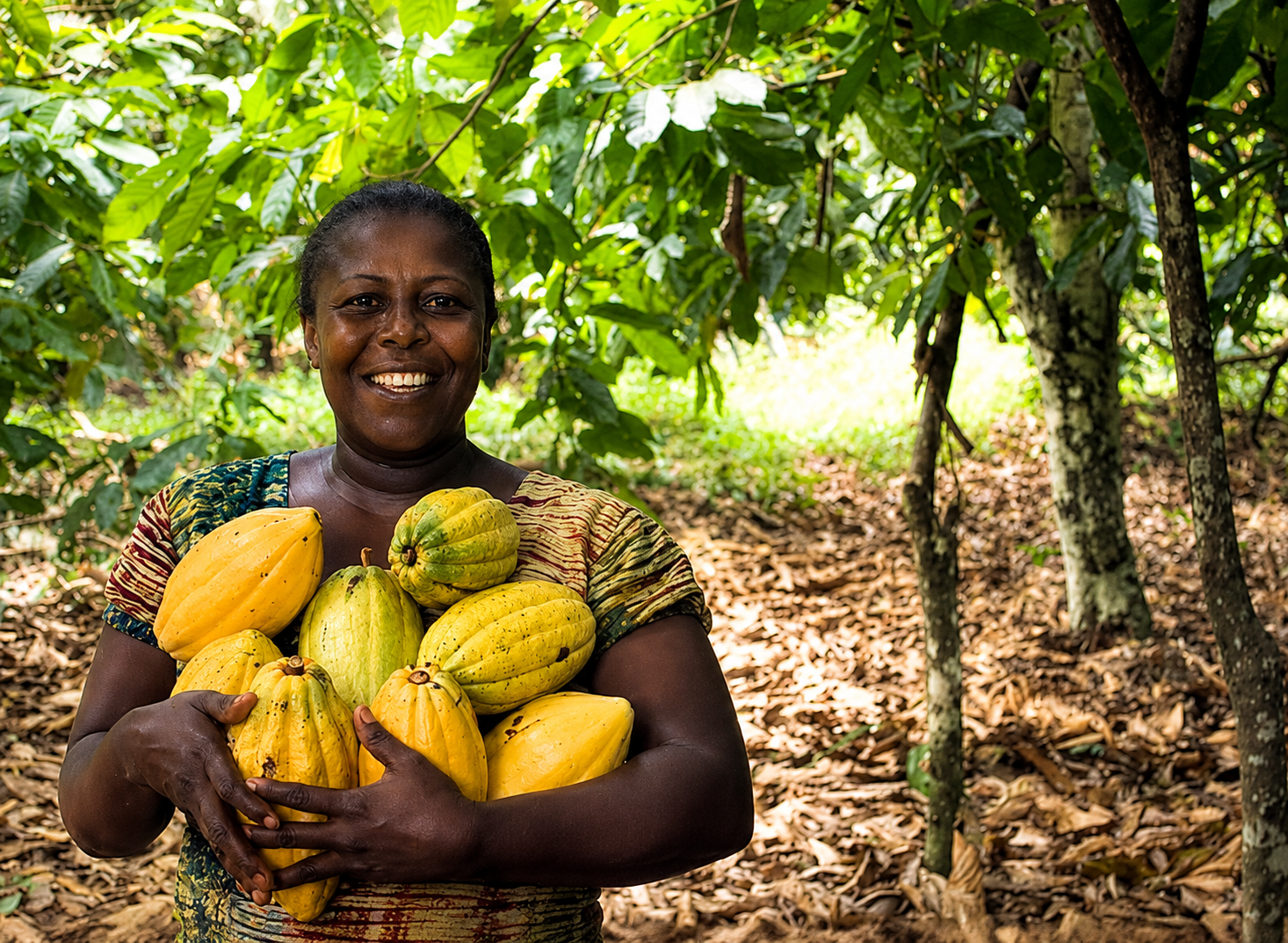
We source our cocoa directly from producers in Côte d'Ivoire. We know who grows it, how it is processed, and what happens between harvest and the moment it reaches a buyer. That is what we mean when we say direct trade. Not a marketing term — just a description of how the supply chain actually works.
The same applies across everything we supply, whether that is hibiscus dry leaves, dry ginger, kola nut, sesame seeds or specialty coffee. Every product has a clear line back to its origin.
Traceability matters for a few different reasons, depending on who you are.
For buyers and manufacturers, it means they can stand behind the products they make. If a customer asks where an ingredient comes from, they have an answer. If a certifier asks for documentation, it exists.
For the farmers and producers at the start of the supply chain, it matters in a different way. When a buyer knows exactly where their product comes from, the people who grew it become visible. They are not an anonymous part of a global commodity chain — they are a named source, which tends to mean more accountability and, over time, better conditions.
For the end consumer, it is increasingly something they care about. People want to know that the food and ingredients they buy were produced responsibly. Traceability is the mechanism that makes that possible.
For us, traceability means being able to provide a Certificate of Analysis for every product. It means knowing the harvest season, the processing method, the region of origin. It means not adding layers to the supply chain that serve no purpose other than to obscure where something came from.
It is not always the easiest way to operate. Direct sourcing takes longer to build than buying through intermediaries. Relationships with producers take time and trust. But we think it is the right way to do it — and the only way to genuinely stand behind what we supply.
We are a small company. We do not supply hundreds of products or work with thousands of farms. What we do is source a focused range of natural commodities from people we know and trust, and supply them to buyers who care where their ingredients come from.
That, in essence, is what traceability means to us.
— Nature Commodities
Get in touch to learn more about our direct-trade sourcing and documentation for cocoa, coffee and our wider natural commodities range.
Ethically sourced natural commodities — from farm to shelf, rooted in sustainability and quality.
Copyright © Nature Commodities, 2025